Current Fellows
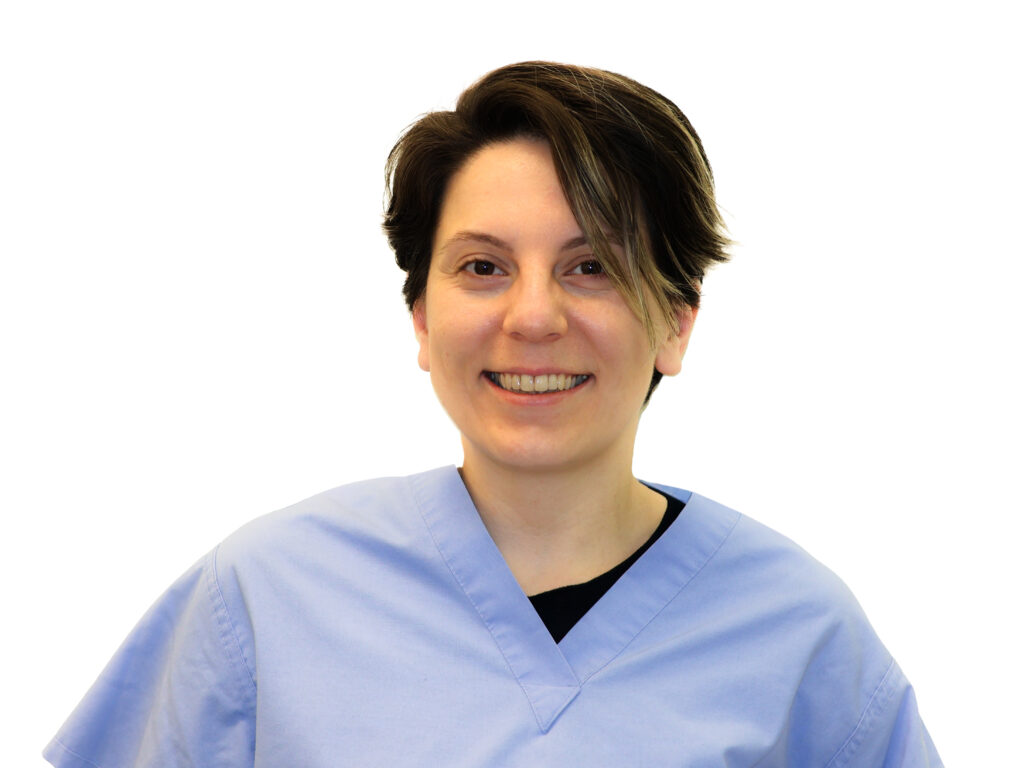
Aysu İyigün Kabakcı,MD – Türkiye
Personal Info
Aysu İyigün Kabakcı, MD, is a neurosurgeon and researcher with a special interest in skull base surgery, microneurosurgical anatomy, surgical simulation, and emerging technologies in neurosurgical education. Her work focuses on integrating advanced anatomical research, 3D visualization, photogrammetry, and augmented/mixed reality tools to improve surgical planning, training, and patient-specific understanding of complex neurosurgical approaches.
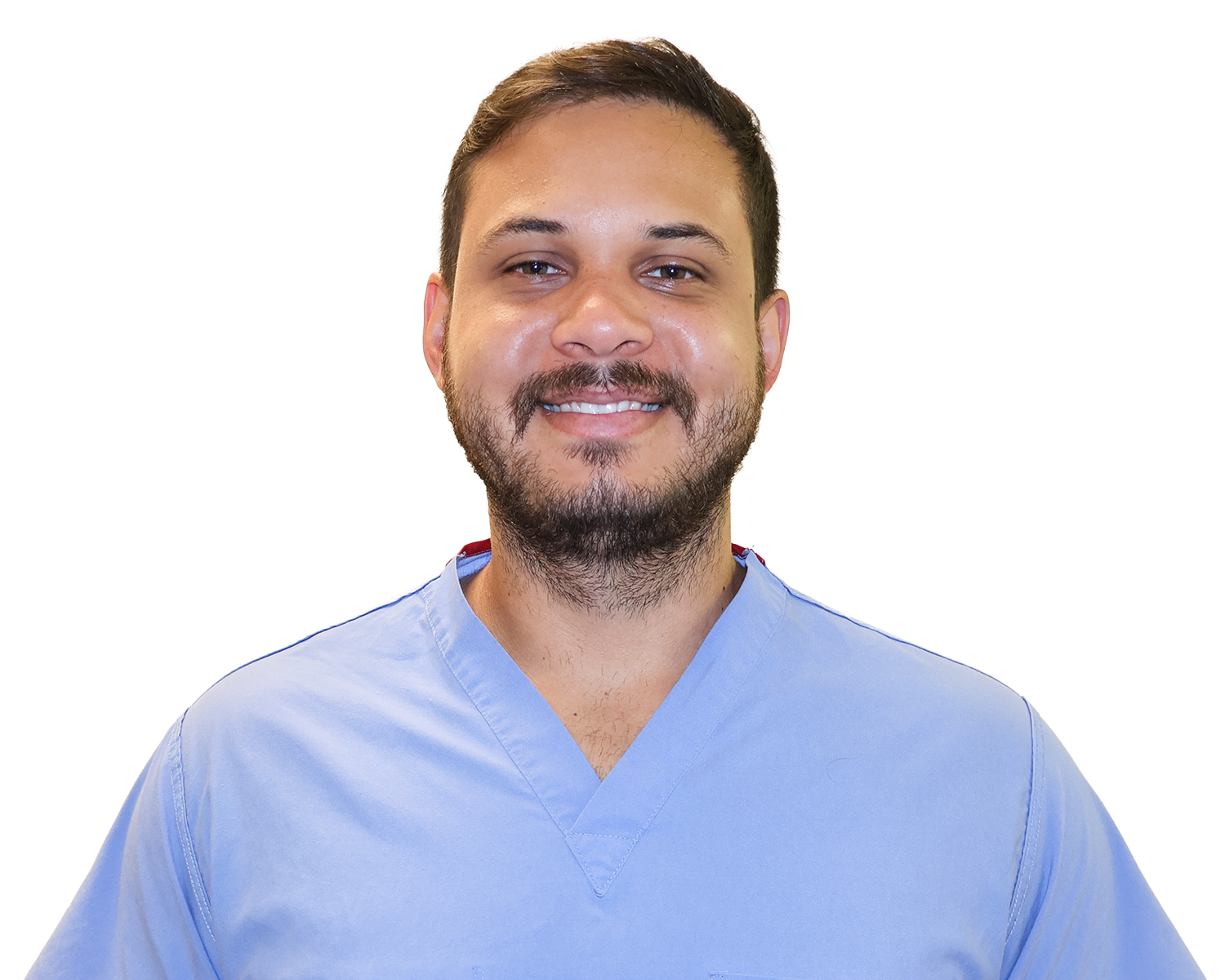
Matheus de Assis Araújo,MD – Brazil
Personal Info
Matheus de Assis Araújo, MD, is a senior neurosurgery resident from Brazil and a research fellow at Almeida’s Skull Base Lab. He joined the Department of Neurological Surgery at the Indiana University School of Medicine in June 2026. He has a particular interest in cerebrovascular surgery, skull base surgery, microsurgery, microsurgical anatomy, and minimally invasive neurosurgical approaches. His academic work centers on applied surgical anatomy, cadaveric dissection, and the refinement of endoscopic and microsurgical techniques, with an emphasis on surgical planning, training, and neurosurgical education.
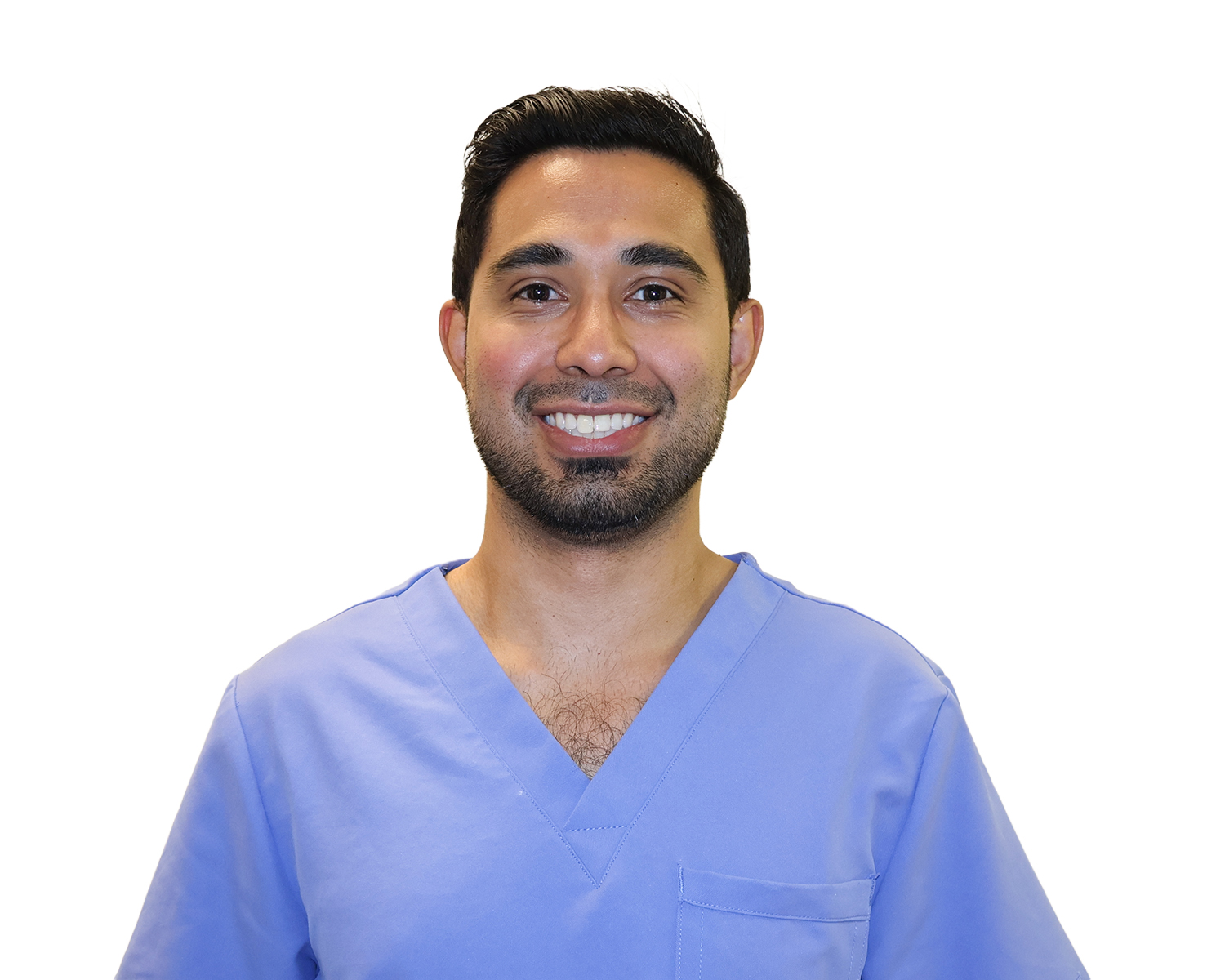
Juan Jose Jaramillo Cardona,MD – Argentina
Personal Info
My name is Juan J. Jaramillo Cardona. I am from Colombia and am currently a PGY-5 neurosurgery resident at Cesar Milstein Hospital and an assistant professor of anatomy and developmental biology at the University of Buenos Aires. During my final year of residency, I have had the opportunity to strengthen my anatomical knowledge and neurosurgical skills through my research fellowship at Almeida’s Skull Base Lab at Indiana University, with a focus on endoscopic endonasal and keyhole approaches, as well as training in middle fossa peeling and approaches to the cavernous sinus and posterior fossa, which will expand my understanding of these fascinating and complex regions. I am confident that my time here, with microscopic and endoscopic cadaveric dissection and teamwork with outstanding neurosurgeons from around the world, is ideal for deepening my understanding and expertise in neurosurgery. I believe this will be reflected in my personal and professional performance for the benefit of my patients.
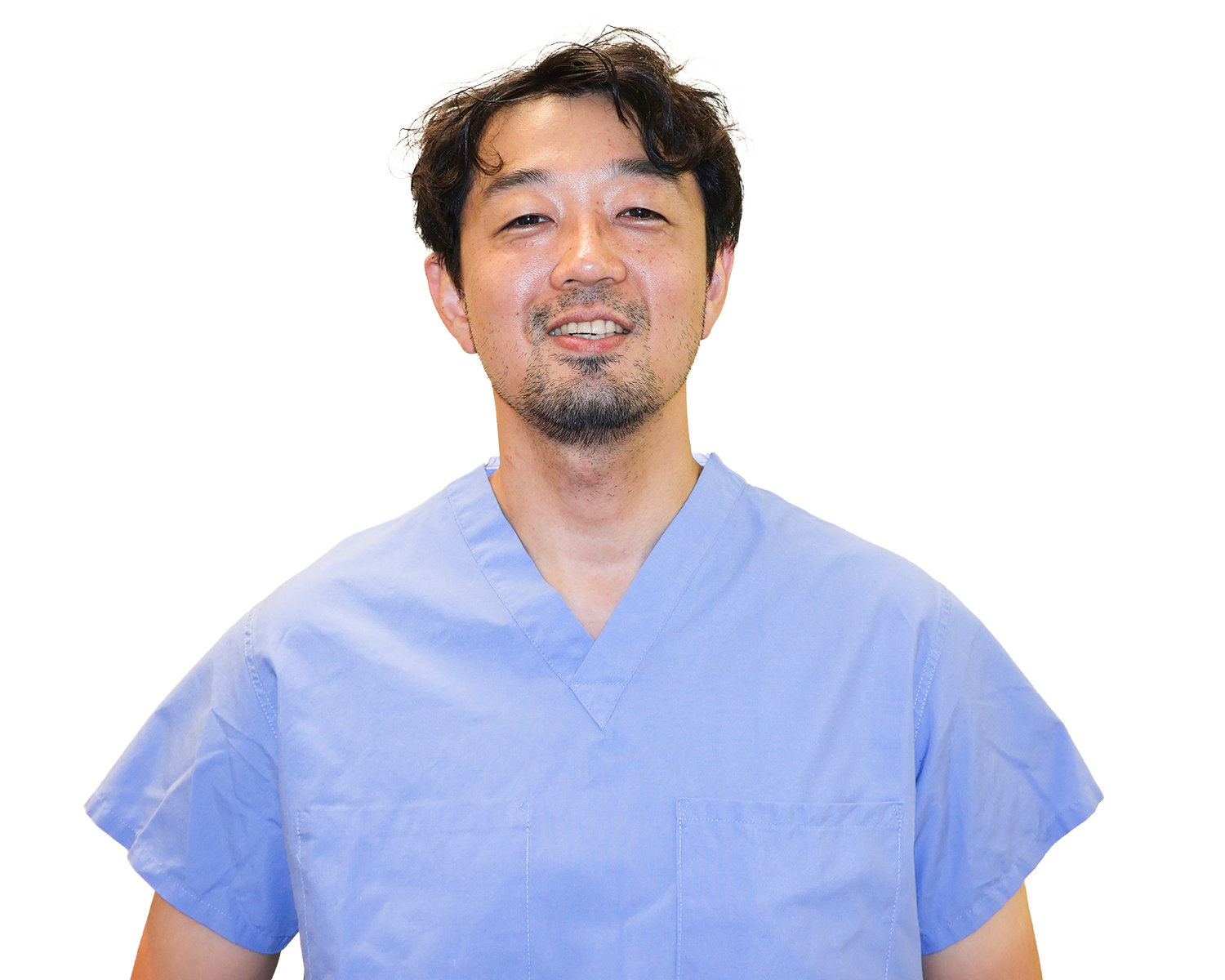
Ryota Shigeeida,MD – Japan
Personal Info
My name is Ryota Shigeeda, and I am a neurosurgeon from Kanagawa, Japan. I began my career as a neuroendoscopic surgeon at Kitasato University Hospital in Kanagawa, Japan, where I performed neuroendoscopic surgeries for several years.
Thanks to a recommendation from a renowned Japanese neurosurgeon, I had the opportunity to study at Almeida’s Skull Base Lab for six months. I am interested in studying the anatomy of the skull base and mastering surgical approaches, such as the transorbital and transpterygoid approaches. I am eager to learn as much as possible at this lab and improve my surgical skills.
Past Fellows
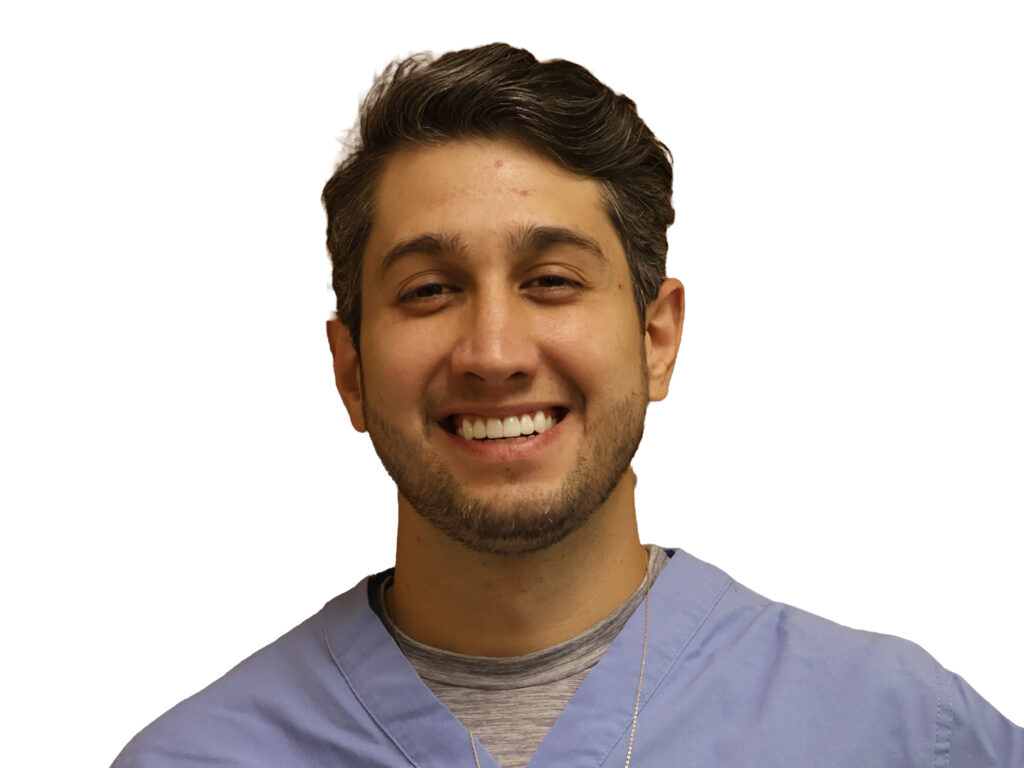
Cezar Kabbach Calaça Prigenzi,MD – Brazil
Personal Info
A cerebrovascular and skull base neurosurgeon at Santa Casa de Piracicaba, in São Paulo, Brazil. Alongside my clinical practice, I am the founder of SOS Neurocirurgia, the largest neurosurgical education platform in Brazil, which has supported the training of over 1,000 residents since 2020.
I graduated in Medicine from Universidade Metropolitana de Santos and completed my neurosurgical residency at Conjunto Hospitalar do Mandaqui (2019–2024), where I developed a deep interest in aneurysm clipping and skull base tumor surgery. This passion led me to pursue advanced training in the microsurgical anatomy behind these procedures, culminating in my fellowship at the Almeida Skull Base Lab in 2025.
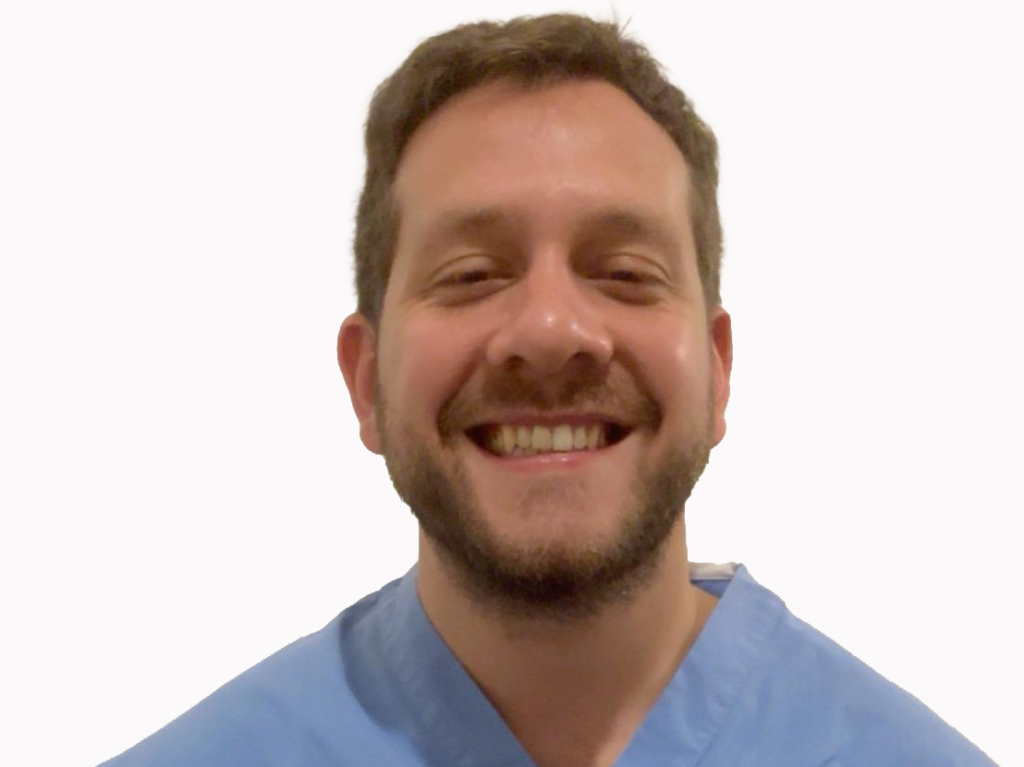
Gean Franco Gerbino,MD – Argentina
Personal Info
Gerbino Gean Franco, from Buenos Aires, Argentina. Currently PGY-5 Neurosurgery resident at Hospital Nacional. Skull base lab fellowship at the Department of Neurological Surgery of Indiana University during 2025. This fellowship allowed me to deepen my understanding of microsurgical anatomy and apply it to cadaveric dissection, strengthening my skills and techniques in various microsurgical and endoscopic approaches. Projects such as dissection and approaches to the orbit, cavernous sinus anatomy, and extended endoscopic endonasal approaches were part of my practice during the fellowship. In the final stages of my Neurosurgery training, I can affirm that laboratory practice is indispensable for understanding, once in the operating room, the management of skull base pathology and improving outcomes, which is, ultimately, the ultimate goal of our profession.
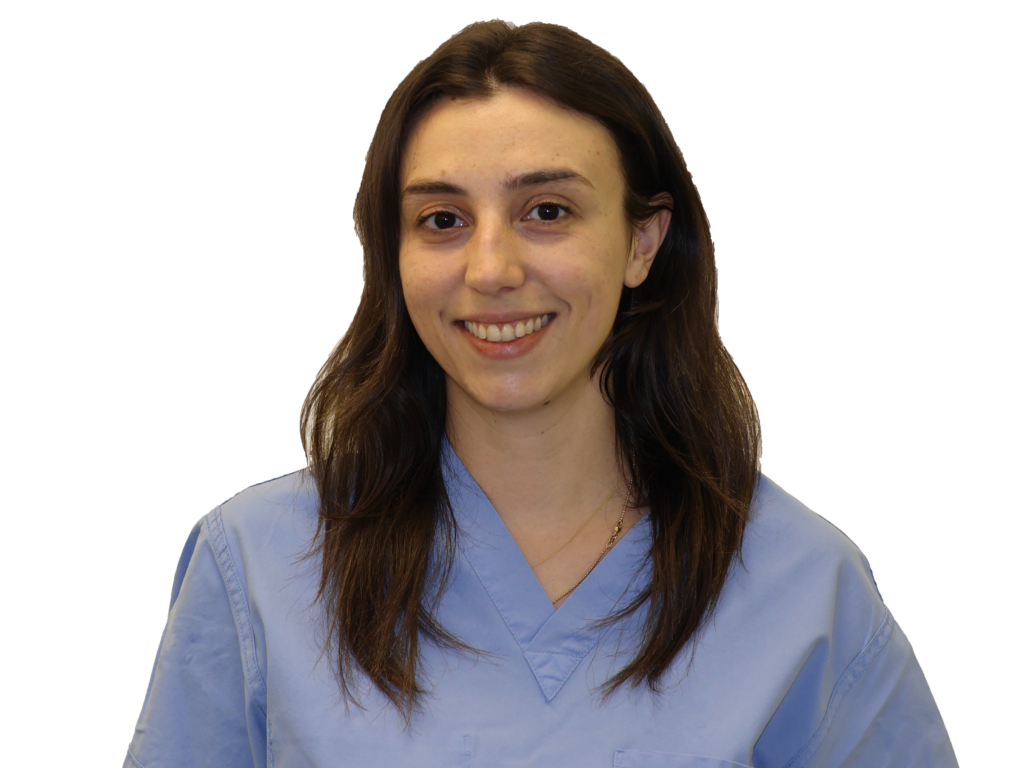
Elena Rosellini,MD – Italy
Personal Info
I am a PGY-5 Neurosurgery Resident at Humanitas University in Milan. My surgical philosophy is grounded in the belief that profound anatomical mastery is the foundation of patient safety and surgical innovation.
Recently, I completed a 9 months fellowship at Almeida’s Skull Base Lab at Indiana University. This experience was transformative, allowing me to refine my micro-dissection techniques and enhance my 3D anatomical orientation. By integrating advanced 3D anatomical reconstruction into my practice, I have significantly improved my surgical dexterity and intraoperative decisiveness.
During my time in the United States, I focused on infratemporal fossa approaches and established a network of international collaborations that will foster my growth and carrer. Now back in Milan, I am eager to start my career and transmit the passion for skull base anatomy and surgery.
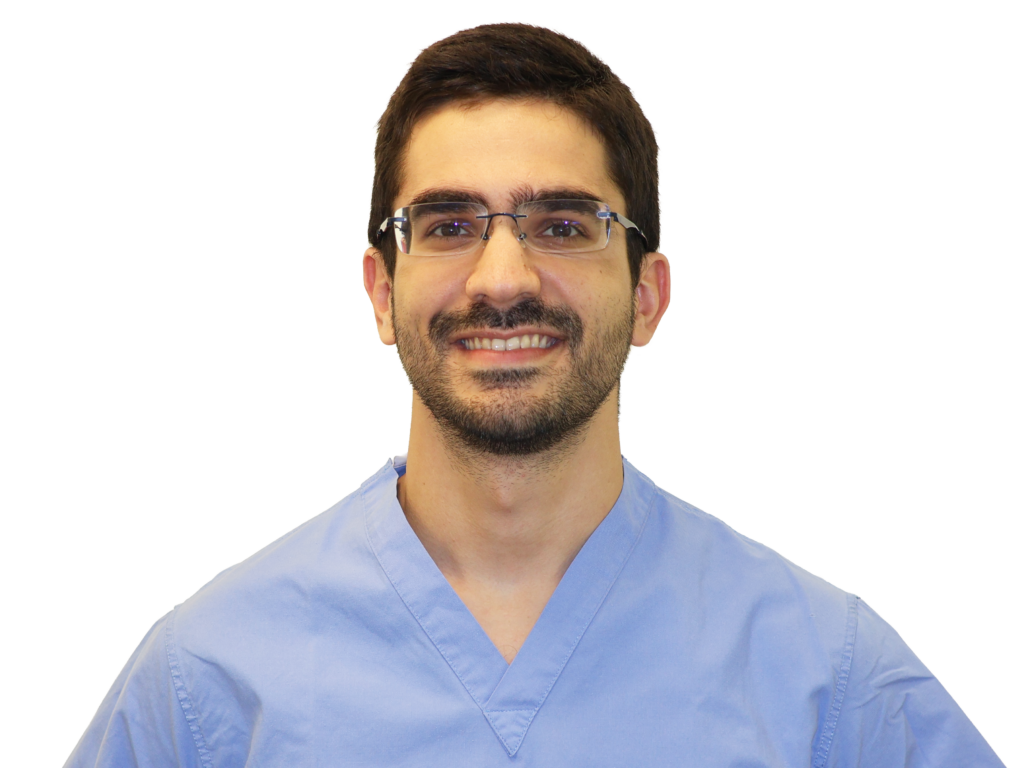
Sergio Augusto Barbosa de Farias,MD – Brazil
Personal Info
Sérgio Augusto Barbosa de Farias is a Brazilian neurosurgeon who graduated from his neurosurgery residency at the State University of Campinas (UNICAMP) in March 2026. In 2025, he enhanced his surgical expertise through a six-month fellowship at the Indiana University (IU) Skull Base Laboratory in Indianapolis, under the supervision of Dr. João Paulo Almeida. During this period, his research focused on advanced anatomical dissections comparing the endoscopic endonasal transpterygoid approach and the lateral transorbital endoscopic approach for accessing the middle fossa, providing critical insights into comparative surgical corridors.
Throughout 2026, Dr. Farias is further specializing through a fellowship in Epilepsy Surgery while simultaneously serving as a Clinical Instructor at UNICAMP.
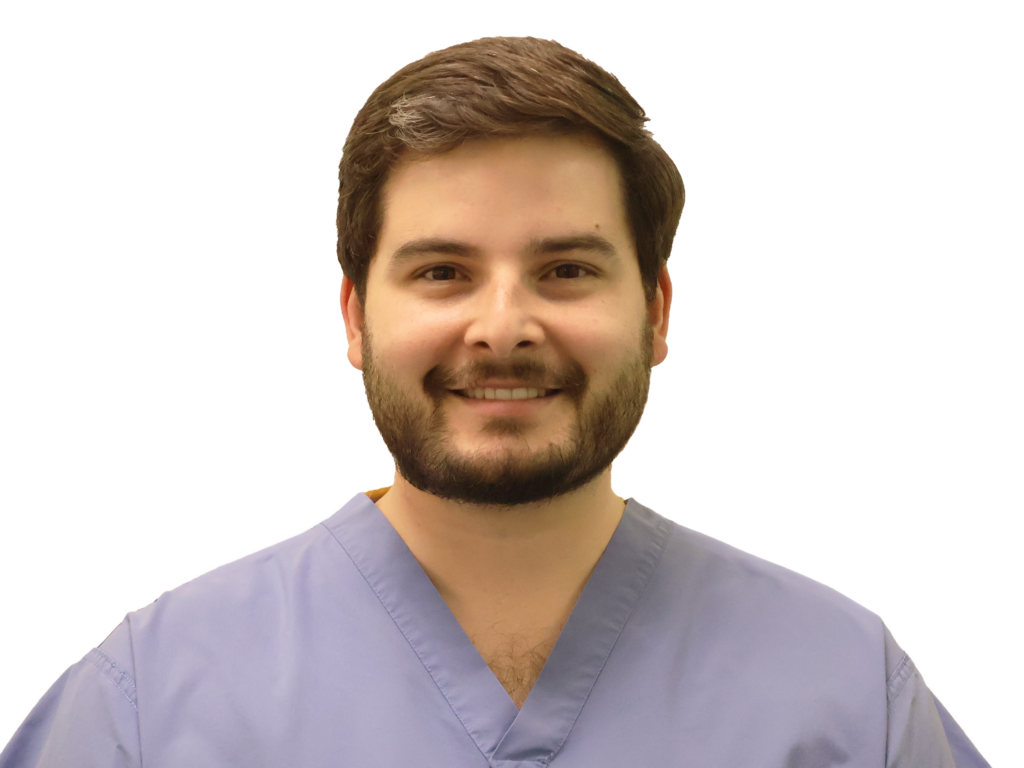
Gabriel Vargaas Rosales,MD – Colombia
Personal Info
My name is Gabriel Vargas Rosales, I’m a neurosurgeon from Bucaramanga, Colombia. During my final year of residency, I had the opportunity to complete a fellowship at Almeida’s Skull Base Lab, an experience that significantly strengthened my knowledge of skull base microsurgical and endoscopic anatomy. The time I spent in the lab not only enhanced my understanding of the anatomy and refined my dissection skills, but also allowed me to appreciate the true artistry behind this field.
I am currently pursuing a fellowship in endovascular neurosurgery in Buenos Aires, Argentina, and I can confidently say that the training I received at Almeida’s Skull Base Lab has been invaluable. It has greatly contributed to my three-dimensional understanding of brain and vascular structures, which is essential in my current practice.
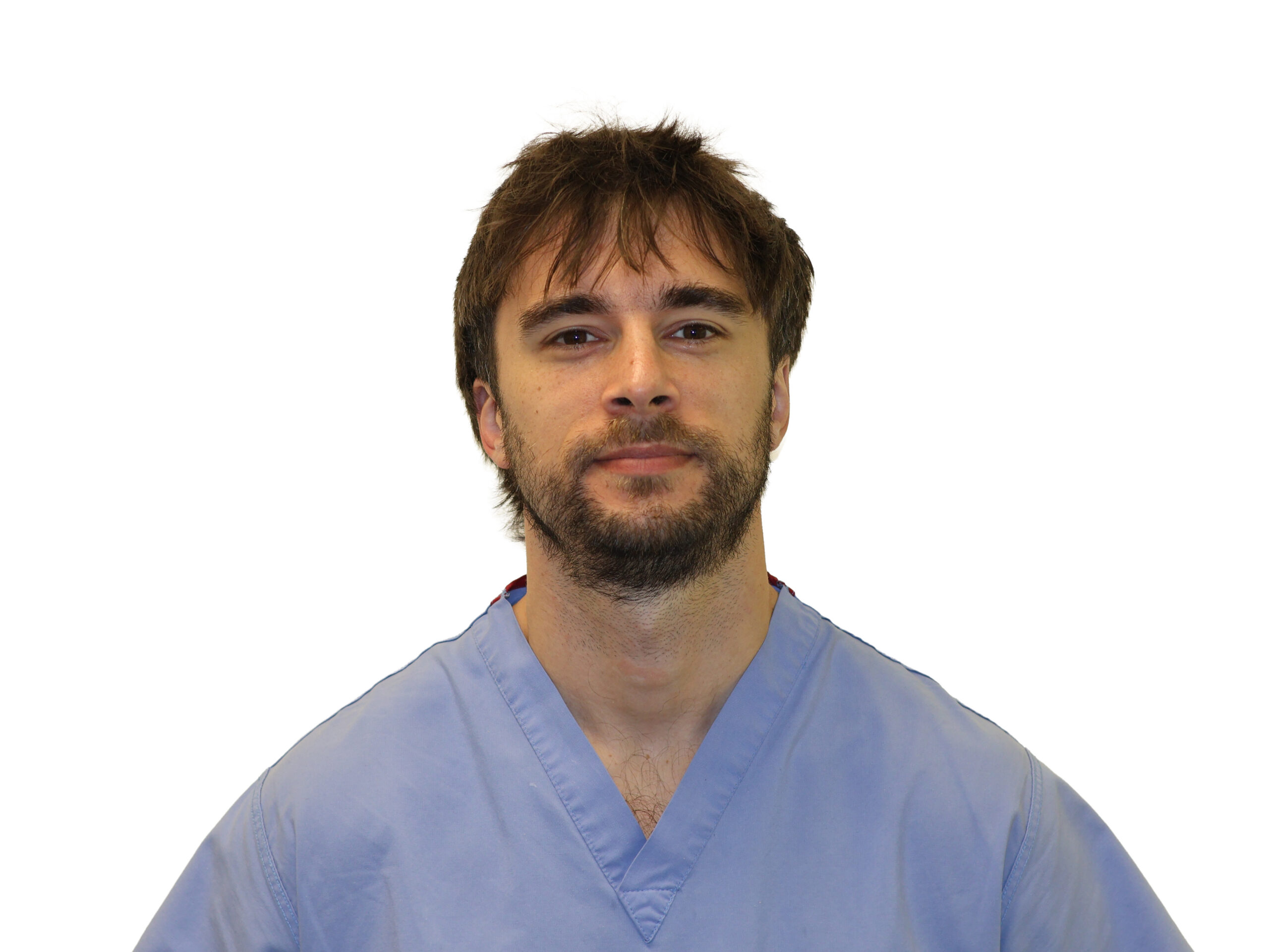
Ezequiel Jungberg,MD – Argentina
Personal Info
My name is Ezequiel Jungberg, and I am from Buenos Aires, Argentina. I received my medical degree from the University of Buenos Aires and later completed my neurosurgical residency at Hospital Italiano de Buenos Aires. During my training, I had the opportunity to join Almeida’s Skull Base Lab, where I further developed my understanding of skull base microsurgical and endoscopic anatomy.
My main area of interest is skull base surgery. My experience in the lab completely changed the way I understand microsurgical anatomy. It allowed me to study anatomical relationships in much greater depth and to develop a more precise three-dimensional understanding of the region. I believe this type of laboratory training is essential, because it provides a level of anatomical insight that cannot be achieved in the same way through books, images, or operative observation alone. For anyone interested in microsurgery, the laboratory is a fundamental part of training.
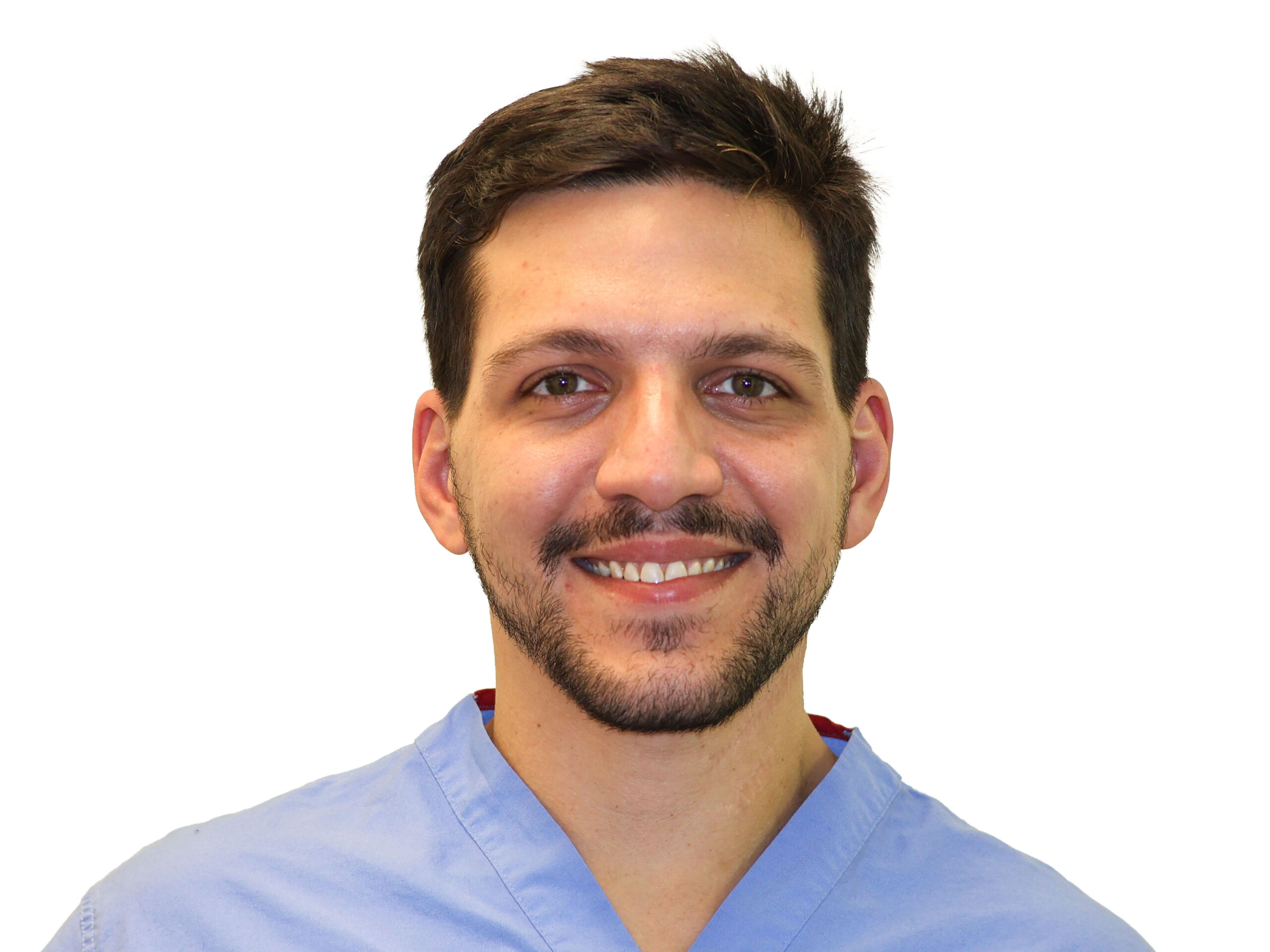
Pedro Nogueira,MD – Brazil
Personal Info
I am currently a senior-year Neurosurgery resident at the State University of Campinas, in São Paulo, Brazil, where I have developed a strong clinical and academic interest in skull base surgery and cerebrovascular neurosurgery. My training has provided extensive exposure to complex neurosurgical cases, fostering both technical skills and a deep understanding of neuroanatomy. I am currently a research fellow at the Indiana University School of Medicine, working at the Almeida’s Skull Base Lab, where I am further refining my anatomical knowledge and microsurgical techniques.
During my time at the lab, I have been involved in projects focused on skull base anatomy, surgical approaches, and neurovascular correlations, contributing to both educational and research initiatives. My work includes cadaveric dissections encompassing microscopic transcranial approaches, as well as endoscopic endonasal and transorbital techniques, aiming to deepen the understanding of surgical corridors and improve operative precision. Through this experience, I have strengthened my interest in academic neurosurgery and aim to integrate advanced anatomical research with clinical practice in my future career.
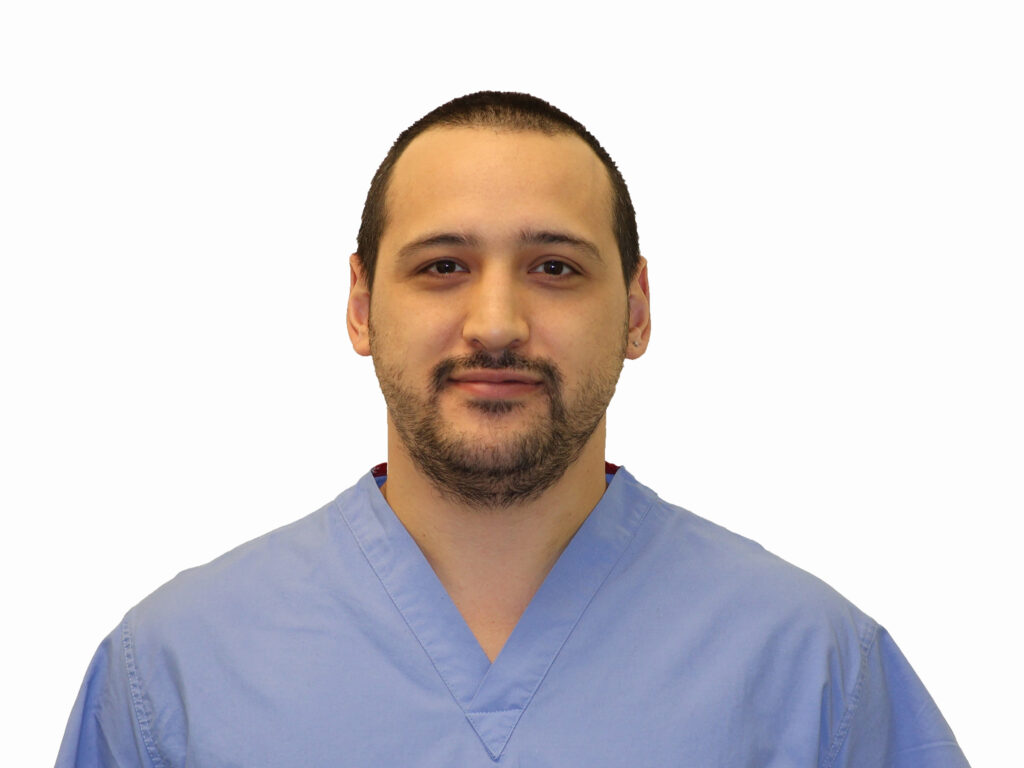
Gökberk Erol,MD – Türkiye
Personal Info
I joined the Indiana University School of Medicine, Department of Neurological Surgery, as a research fellow in Almeida’s Skull Base Lab in October 2025 for a dedicated one-year research period. I am a neurosurgeon from Turkey, where I have been practicing as an attending neurosurgeon for two years. My academic trajectory focuses on integrating advanced visualization technologies into neurosurgical practice, particularly within endoscopic endonasal and microsurgical approaches.
During my time in the lab, my work has focused on endoscopic skull base anatomy, particularly coronal plane approaches including transpterygoid and foramen jugulare routes. In addition, I have studied transcranial anterior, middle, and posterior skull base approaches through cadaveric dissections. I have also conducted anatomical studies on transorbital approaches, aiming to expand the understanding of alternative minimally invasive corridors to the skull base. Several of these projects are currently being prepared for publication
Past Observers

Eliza Scolin,MD – Brazil
Felipe Magalhaes,MD – Brazil
Vitor Cachapuz,MD – Brazil
Joao Victor Doro,MD – Brazil
Melisa Tuana Kahraman,MS – Türkiye